
Your Financial Reports Look Fine. But Is Your Business Really in Control?
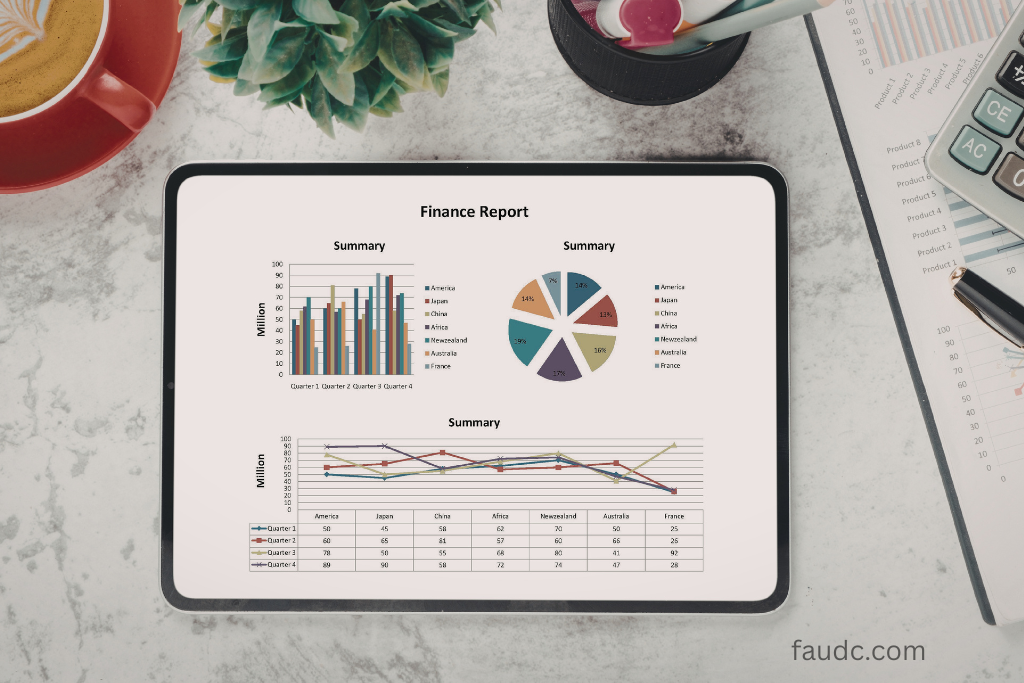
The monthly reports arrive, but underlying financial reporting issues often go unnoticed.
But something still feels off. Cash is tighter than the numbers suggest. Some branches seem busy yet produce weak results. Payments from customers are taking longer to come in. Management meetings keep running on gut feel rather than clear answers.
82% of businesses that fail point to poor cash flow visibility as a key reason.
Not bad products. Not poor sales. Just not being able to see what is truly happening inside the numbers.
The reports are there. The problem is what they leave out.
Why Financial Reporting Issues Go Unnoticed
The Gap Between Accurate and Useful
Financial reports can be completely accurate and still be useless for running a business day to day. Most standard statements are built to summarise the past. They confirm what happened. What they rarely explain is why it happened or exactly where.
That difference becomes very important once a business grows beyond one team, one location, or one product line.
How Combined Reporting Hides the Real Picture
Picture a distribution business selling five product categories through two sales teams. The monthly profit and loss shows a combined gross margin of 28%. That looks acceptable. But underneath, one category quietly absorbed a 12% supplier price increase over two quarters and is now barely breaking even. Another category is doing very well and masking the issue entirely.
Because everything is grouped into one number, leadership cannot see where margins are being lost.
Combined reporting does not hide fraud. It hides reality. And in a growing business, reality is where every important decision gets made.
Slow Payments Are a Warning Sign Most Businesses Miss
How the Problem Builds Without Being Noticed
One of the most avoidable financial control failures in growing businesses involves how receivables are managed. It rarely makes itself obvious. It builds slowly over time.
A service business reports strong revenue month after month. The income statement looks healthy. But payment timelines have quietly drifted from 30 days to 60 and now some accounts are sitting at 90 days with no follow up in place. The revenue was real. The cash just is not arriving when it should.
Research from Intuit shows that 61% of small to medium businesses face regular cash flow struggles. In many of those cases the issue is not low revenue at all. It is the gap between when income is recorded and when it is actually collected.
What Happens When There Is No System in Place
When there is no routine check on aging receivables, no process for following up on overdue accounts, and no way to spot which customers are consistently slow to pay, the problem keeps growing quietly. By the time the cash pressure becomes hard to ignore, the business may already be months into a pattern that is not easy to turn around quickly.
What This Does to Business Decisions Over Time
The Hidden Cost of Reporting Gaps
When reporting gaps go on for too long, the real damage does not appear on a balance sheet. It shows up in how leadership makes decisions every single week.
Teams start working on assumptions. Branch managers debate performance without solid margin data in front of them. Finance spends hours manually pulling and rearranging information that should already be ready to use. Month end closes stretch longer and longer as reconciliations pile up. Confidence in the numbers slowly drops.
Small Process Failures That Speed Things Up
Delayed bank reconciliations make cash positions hard to trust. Inconsistent expense coding makes it impossible to compare departments fairly. Late reports force decisions based on figures that are already weeks old. None of these issues is catastrophic alone. Together, they keep leadership one step behind at all times.
Businesses with strong financial visibility can catch margin shifts early, move resources toward what is working, and fix collection issues before they hurt cash flow. Those without it are always managing by feeling alone.
What Good Financial Control Actually Looks Like
Reporting That Matches How the Business Runs
If you operate across branches, the report should show profitability by branch. If you sell multiple products, it should break down margins by product. If you serve different customer groups, receivable trends should be visible by group. The reporting structure should match what is actually happening in the business, not work against it.
A Clean and Consistent Month End Close
Bank reconciliations, accrual entries, and receivable aging reviews should all be done before management reports go out. Not after. A close checklist is not extra work. It is what separates numbers leadership can act on from numbers that need three clarifying calls before anyone trusts them.
A Steady Routine for Watching Receivables
Regular aging reviews, clear steps for chasing overdue accounts, and a way to spot when payment timelines are shifting. If cycles start getting longer, that pattern should be visible within a week or two. Not after it has already affected cash on hand.
Margin Detail at the Right Level
Overall gross margin is a starting point. It is not a tool for managing a business. The real goal is knowing which parts of the business are creating margin and which are reducing it. That level of insight only comes when the reporting is built to show it.
Most Businesses Outgrow Their Reporting Before They Know It
The financial setup that worked well at two million in revenue starts creating blind spots at eight million. A close process that was manageable with one location and two bank accounts becomes unreliable with four branches and six accounts. A receivables routine that worked when founders knew every customer personally falls apart when the customer base reaches hundreds of accounts.
The operations grow. The financial control setup does not keep pace. And the gap between what the business is doing and what leadership can actually see keeps widening.
Recognising that the reporting structure needs to be rebuilt rather than just maintained is usually the first step toward getting real visibility back.
Moving From Old Summaries to Real Business Tools
A standard financial report tells you what already happened. A well built management reporting setup tells you what is happening now and flags what needs attention before it turns into a bigger problem.
That shift from looking backward to managing forward is what separates businesses that run on numbers from those that run despite them.
For most growing companies, getting there comes down to three things: how financial information is organised and broken down, how the month end close is kept consistent, and how receivables and cash cycles are tracked over time.
Your reports may already look fine. The question worth sitting with is whether they are actually telling you enough.
Frequently Asked Questions
Here are some of the most common questions business owners and finance leaders ask when they start noticing the gap between what their reports show and what the business actually feels like.
Q: Why do my financial reports look healthy when the business feels like it is struggling?
A: Standard financial reports summarize what already happened. They do not break down performance by branch, product line, or customer group. So one area that is doing well can easily cover up another area that is quietly losing margin. The reports are not wrong. They are just not detailed enough to show what is really going on.
Q: What is the most common financial control failure in growing businesses?
A: The most common failure is not having visibility into receivables. When there is no routine process for reviewing aging accounts and following up on overdue payments, collection timelines drift without anyone noticing. The income statement continues to show strong revenue while the actual cash position gets worse each month.
Q: How often should a business review its receivables?
A: At a minimum, receivables should be reviewed as part of the month end close process. For businesses with a large number of customer accounts or high transaction volumes, a weekly review is a much safer approach. The earlier you spot a pattern of slow payment, the easier it is to act before it affects cash flow.
Q: What should a good month end close process include?
A: A solid month end close should cover bank reconciliations for every account, accrual entries, a review of the receivables aging report, expense coding checks, and sign off before any management reports are issued. These steps should follow a consistent checklist so nothing gets skipped under time pressure.
Q: How do I know if my reporting structure needs to be rebuilt?
A: A few clear signs: leadership cannot see profitability by branch or product without pulling data manually, finance teams spend hours preparing reports that should already be ready, month end closes regularly run late, and management decisions are being made based on gut feel rather than specific numbers. If more than one of these is true, the reporting structure needs attention.
Q: Is improving financial control expensive for a growing business?
A: Not necessarily. Most of the improvements that make the biggest difference are process based rather than technology based. Redesigning the reporting structure, building a close checklist, and setting up a receivables monitoring routine rarely require large investments. The bigger cost is usually the time and expertise needed to set things up properly and get the team working to the new process consistently.
Q: When is the right time to upgrade financial reporting?
A: The best time is before the reporting gaps become a serious problem. In practice, most businesses start noticing the warning signs when revenue crosses a certain threshold and the number of branches, products, or customer accounts grows beyond what a basic setup can handle. If cash feels tighter than the reports suggest, that is usually a strong enough signal to start reviewing the reporting structure right away.
If you are noticing gaps in what you can see around margins, cash flow, or receivables, the issue is usually structural rather than a data problem. Strengthening the reporting setup is often the most direct path to getting real control back.
Most businesses don’t realise how deeply financial reporting issues affect decision-making until it’s too late.